


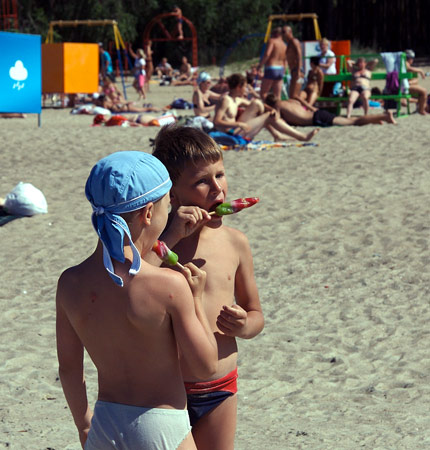
In Estonia, childhood unfolds with a quiet depth shaped by moss‑soft forests, wooden benches in sunlit classrooms, and the steady rhythm of home. Children taste warm porridge sweetened with wild berries, hear the gentle click of boots on gravel, and feel the soft hush of a reading circle in a small-town living room. Their days are woven from domestic textures—layered clothing for forest play, the grain of rye bread in small hands, and the cozy weight of a storybook carried between parent and child.
Whether wandering birch-lined lanes or helping collect eggs at dawn, mornings in Estonia carry a simple, rooted purpose. Routines—whether in rural or urban homes—flow from domestic familiarity rather than ceremony, shaping childhoods that are both grounded and quietly expansive.
Home and Family Life
The Child Protection Act places responsibility for children’s upbringing squarely on parents and guarantees their right to nurture, identity, education, rest, and leisure. Municipalities are mandated to support families materially and ensure living conditions that foster physical, mental, and social development.
Early Childhood and School Life
Municipalities must offer preschool—or equivalent child‑care—from age 1.5 until formal schooling begins. The final preschool year follows a national curriculum geared toward school readiness. Compulsory basic school begins in the calendar year when a child turns 7, if that birthday falls before October 1, and continues until basic education is complete.
Play, Friends, and Community Life
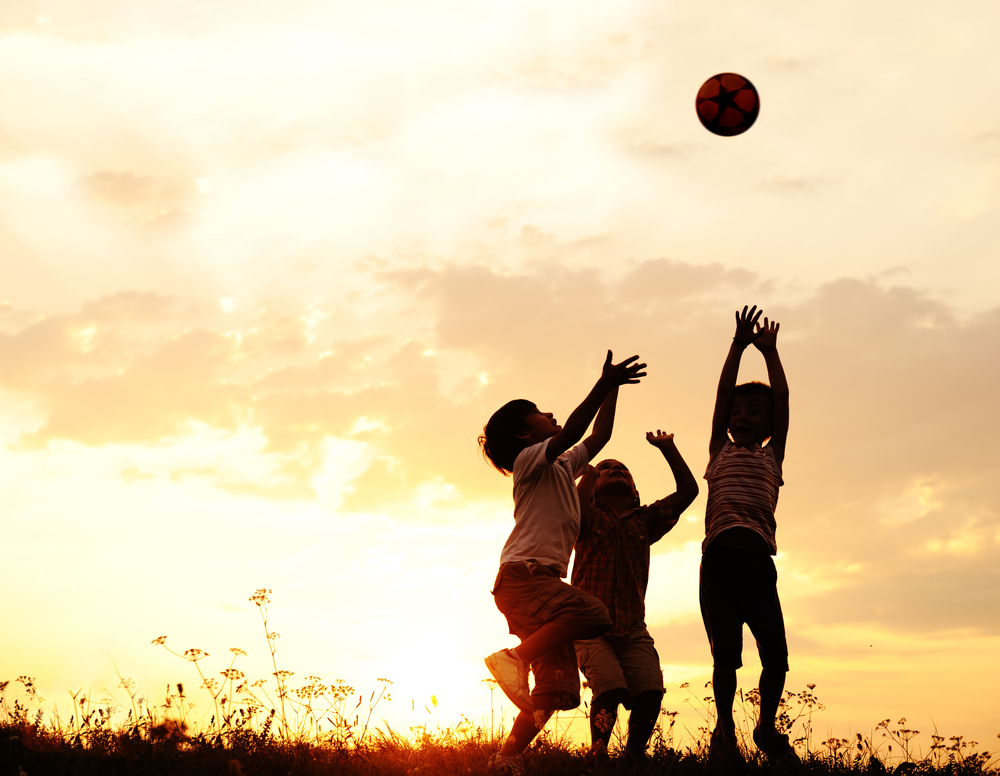
Play often unfolds outdoors, where children fashion twig shelters, skip rope, or play hide‑and‑seek. In the small Setomaa region, children may sit with elders to listen to leelo (polyphonic song) or tales of Ülemsootska, the Seto figure who speaks for Peko. These traditions persist regionally rather than nationally.
Food and Everyday Rhythms
Preschools serve meals during the day under local procedures, and at home children eat simple, seasonal fare—porridge with berries, rye bread with curd or honey—food that travels seamlessly through daily movement and the domestic landscape.
Traditions and Childhood Milestones
In rural memory, a tooth‑loss tradition lives on in family stories: placing a lost tooth near a wood stove, where a mythical viruskundra might leave an “iron tooth,” a symbol of strength and vitality. This custom is kept alive more in narrative than in everyday practice.
Children’s Culture
Children’s literature is a strong thread in Estonian childhood. Anti Saar, born in 1980, is among the most celebrated contemporary authors; his books—such as The Way Things Are With Us and How to Sit, How to Stand—draw readers into the minute, inward life of a child’s day. Tallinn’s Estonian Children’s Literature Centre, set in the Old Town, offers exhibitions, a fairytale attic inspired by Nukitsamees, workshops, and creative spaces where children engage with stories and illustration.
While globally popular cartoons and comics are accessible—especially in urban areas—schools and libraries often emphasize Estonian folktales and translations, fostering local language and imagination alongside international content.
Responsibilities, Discipline, and Protection
A sense of independence is common: children in many suburbs return home from school with a key‑tag, a silent testament to trust and self-reliance. In schools, quiet attention, turn‑taking, and measured speech reflect enduring values. The e‑Kool digital platform links parents, students, and educators, offering insight into grades, behavior, and counseling, though support availability varies by region.
Childhood Today
Urban families increasingly navigate childhood through e‑services—for scheduling, updates, and extracurriculars—while screens are a frequent companion to children’s days. Yet, weekends often draw families back into forests, berry patches, and trails. In villages, rhythms still follow the seasons, with planting, hay‑making, and forest walks anchoring childhood in nature’s pulse.
Childhood at a Glance
| Indicator | Estonia |
|---|---|
| Compulsory education begins | year child turns 7, if birthday falls before October 1 |
| Municipal preschool provision | ages 1.5–7 guaranteed by municipality |
| Final preschool year | follows national curriculum, issues school‑readiness certificate |
| School management system | e‑Kool digital platform links parents, students, educators |
| Tooth‑loss tradition | placing tooth by stove; viruskundra leaves a “iron tooth” |
| Iconic children’s author | Anti Saar, writing from a child’s perspective |
| Children’s literature centre | Estonian Children’s Literature Centre in Tallinn’s Old Town |
| Legal protection against corporal punishment | physical or mental abuse in instruction prohibited |
| Minimum general employment age | 15 years |
| Light work exceptions | ages 7–12 in culture, art, sports, advertising with consent |
Copyright © 1993-2026 World Trade Press. All rights reserved.