


Prohibited
- Dangerous bladed weapons, firearms, electric-shock weapons, and ammunition prohibited for civilian use, including automatic firearms, brass knuckles, spring-ejected knives, and armor-piercing ammunition
- Narcotic drugs and their precursors, except narcotic or psychotropic medicinal products carried in compliance with Estonia’s medicinal-product rules
- Indecent or pornographic material depicting minors
- Invasive alien species that endanger fundamental ecological balances
- Radioactive items and objects posing a radiation risk to people
- Cultural goods illegally removed from the country where they were created or discovered
- Goods prohibited under European Union sanctions when imported from Russia, or originating in Crimea, Sevastopol, or the Donetsk and Luhansk regions
Restricted
- Gifts and other purchases: When arriving from a non-EU country, you may bring noncommercial purchases and gifts with a combined customs value of up to 300 euros free of import duties and taxes, or up to 430 euros if arriving by air or sea. Declare commercial goods and goods that exceed the applicable value or quantitative allowance; customs duty, value-added tax, and excise duty may apply. Alcohol, tobacco products, and motor fuel have separate allowances.
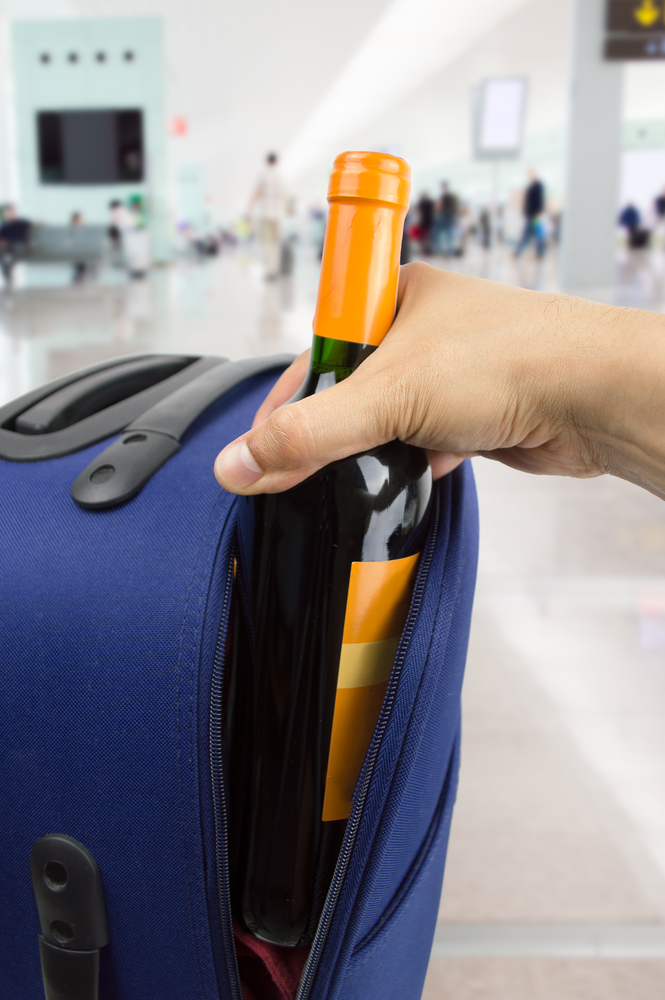
- Alcohol: A traveler age 18 or older arriving from a non-EU country may bring, at the first entry in a calendar month, up to 4 liters of still wine and up to 16 liters of beer, plus either up to 2 liters of alcoholic beverages containing no more than 22 percent alcohol, including sparkling and fortified wine, or up to 1 liter of beverages containing more than 22 percent alcohol. The last two allowances may be combined proportionally. Alcohol exceeding 22 percent may be brought only if it was not produced in Russia and is not brought from Russia. The Estonian Tax and Customs Board may grant an occasional-import exemption at a second entry in the same calendar month. The entry-frequency limit does not apply to travelers arriving by air, train, or sea.
- Tobacco products: A traveler age 18 or older arriving from a non-EU country may bring, at the first and second entry in a calendar month, either 40 cigarettes, 100 cigarillos, 50 cigars, or 50 grams of smoking tobacco, including up to 20 grams of heated tobacco; an air passenger may instead bring 200 cigarettes or 250 grams of smoking tobacco, including up to 100 grams of heated tobacco. These alternative allowances may be combined proportionally. You may also bring up to 120 grams of solid tobacco substitute, 20 milliliters of tobacco liquid or 20 grams of another alternative tobacco product, and one package of smokeless tobacco containing no more than 50 grams. Cigarettes, cigars, and cigarillos may not be produced in Russia or brought from Russia. The Estonian Tax and Customs Board may grant an occasional-import exemption at a third entry in the same calendar month for tobacco other than smokeless tobacco. The entry-frequency limit does not apply to travelers arriving by air, train, or sea.
- Motor fuel: When arriving from a non-EU country by motor vehicle or motorized watercraft, you may bring fuel in the vehicle’s standard fuel tank and up to 10 liters in a portable container at the first entry in a calendar month, for use only in that vehicle. The fuel must not have been produced in Russia or brought from Russia. Liquefied gas in a standard fuel tank remains exempt at later entries. Other later-entry exemptions depend on your entry history or notification of fuel taken out of Estonia. Duty-free fuel must not be removed from or transferred out of the vehicle.
- Agricultural products: From non-EU countries other than Norway, Switzerland, Iceland, Andorra, Liechtenstein, and San Marino, meat, milk, and products containing them are not allowed in personal baggage. Exceptions include up to 2 kilograms per person of shelf-stable, branded, retail-packaged infant formula, infant food, medically necessary food, or medically necessary pet food, subject to the applicable packaging conditions and a physician’s or veterinarian’s documentation for medically necessary products. You may bring fishery products up to 20 kilograms per person, or one fish if heavier, and up to 2 kilograms per person of honey, eggs, live oysters, mussels, snails, and similar specified animal products. From the Faroe Islands and Greenland, specified meat, milk, and other animal-product allowances may be up to 10 kilograms per person. Food for personal use may be brought from EU countries and the listed European countries in reasonable quantities.
- Currency: When entering the European Union through Estonia with 10,000 euros or more in cash, or the equivalent in another currency or bearer-negotiable instruments, submit a cash declaration to Maksu- ja Tolliamet (Estonian Tax and Customs Board). The threshold includes 10,000 euros. Cash includes banknotes and coins in any currency, travelers’ checks, promissory notes, gold coins with a gold content of at least 90 percent, and gold bullion, nuggets, or clumps with a gold content of at least 99.5 percent.
- Medicines: Carry medicines only for your medical use or for an accompanying animal. Without authorization from Ravimiamet (State Agency of Medicines), you may carry up to 10 different medicinal products, with up to 5 retail packages of each; for an accompanying animal, the limit is 5 different products and 3 retail packages of each. Package-size limits apply. Narcotic or psychotropic medicinal products may be carried without authorization only in one retail package containing up to 30 units or 25 milliliters, with a physician’s statement, a veterinarian’s statement for an animal, or a prescription copy. Larger quantities require State Agency of Medicines authorization and may cover no more than 30 days of treatment.
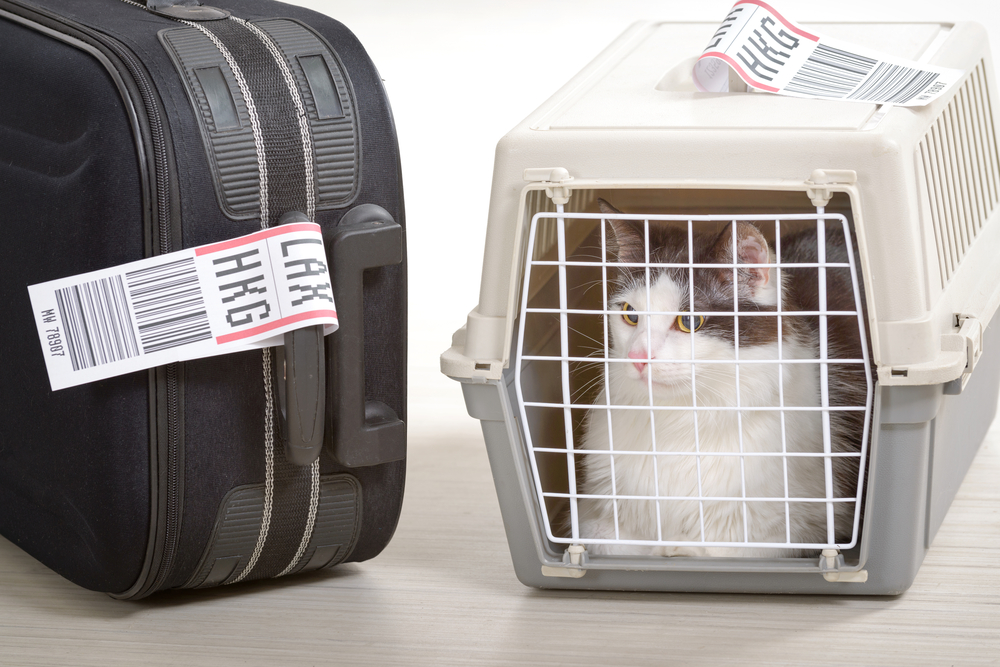
- Pets: Noncommercial pet travel applies only when an animal accompanies its owner or an authorized person and is not intended for sale or transfer. Normally, no more than 5 dogs, cats, or ferrets may accompany a traveler; a documented competition, exhibition, sporting-event, or training exception applies only to animals more than 6 months old. Dogs, cats, and ferrets arriving from EU countries require compliant identification, a valid rabies vaccination, and an EU pet passport. For arrivals from most non-EU countries, they also require a veterinary certificate and a signed declaration of noncommercial movement. Russia and Belarus are high-rabies-risk countries: dogs, cats, and ferrets arriving from them also require a rabies-antibody titration test by an approved laboratory, with the required waiting period before travel.
- Plants: When arriving from outside the EU, obtain a phytosanitary certificate issued by the country of origin and present the goods for official plant-health inspection for fresh fruit and vegetables, berries, cut flowers, potted plants, seeds for planting, and other propagating material. Pineapples, coconuts, durians, bananas, dates, and dried fruit, vegetables, berries, nuts, and seeds for food are exempt from the phytosanitary-certificate requirement. Some plants and plant products are prohibited because of plant-health risks.
- Weapons, ammunition, and pyrotechnics: For import from a non-EU country, declare every weapon and all ammunition at an international border checkpoint with permanent customs presence. Present the required special import permit issued by Politsei- ja Piirivalveamet (Police and Border Guard Board). A foreign visitor bringing a weapon registered in that visitor’s name for a sporting event, training, hunting, or a similar event needs a single special permit. Pyrotechnic articles arriving from a non-EU country require a transport permit issued by Tarbijakaitse ja Tehnilise Järelevalve Amet (Consumer Protection and Technical Regulatory Authority).
- Wildlife and products made from wildlife: Endangered animal and plant specimens, their parts, and products made from them generally require Convention on International Trade in Endangered Species of Wild Fauna and Flora permits and must enter through an authorized customs office. Limited personal-baggage exemptions from a non-EU country include labeled sturgeon caviar up to 125 grams per person, 3 cactus rainsticks, 4 worked or dead crocodilian specimens other than meat and hunting trophies, 3 queen conches, 3 giant clams or 3 kilograms of giant clams, and 4 dead seahorses.
- Works of art, antiques, and cultural property: For listed cultural goods imported from outside the EU, use the European Union’s TRACES Import of Cultural Goods system to obtain an import license for goods more than 250 years old, regardless of value. Submit an importer declaration through the same system for listed goods more than 200 years old with a value of at least 18,000 euros per item. Muinsuskaitseamet (National Heritage Board) reviews applications and issues licenses in Estonia.
Copyright © 1993-2026 World Trade Press. All rights reserved.